From Funding Win to Clinical Execution
Securing a government funding opportunity for a pivotal study is a significant milestone for any life sciences company. The award provides non-dilutive capital, allowing the firm to reallocate financial resources toward critical areas like commercialization, go-to-market strategies, and manufacturing scalability. For many sponsors, this feels like the final hurdle before FDA approval and market launch.
However, the transition from receiving a notice of award to active clinical execution often reveals unexpected complexities. Initial meetings with government program managers establish the framework for roles, responsibilities, study conduct, and reporting requirements. A perceived benefit of these partnerships is the access to third-party expertise linked biostatistics and Contract Research Organizations (CROs), provided by the government. While this eliminates the need to recruit certain specialized personnel, it introduces a unique set of management challenges.
The Challenge of Complex Stakeholders
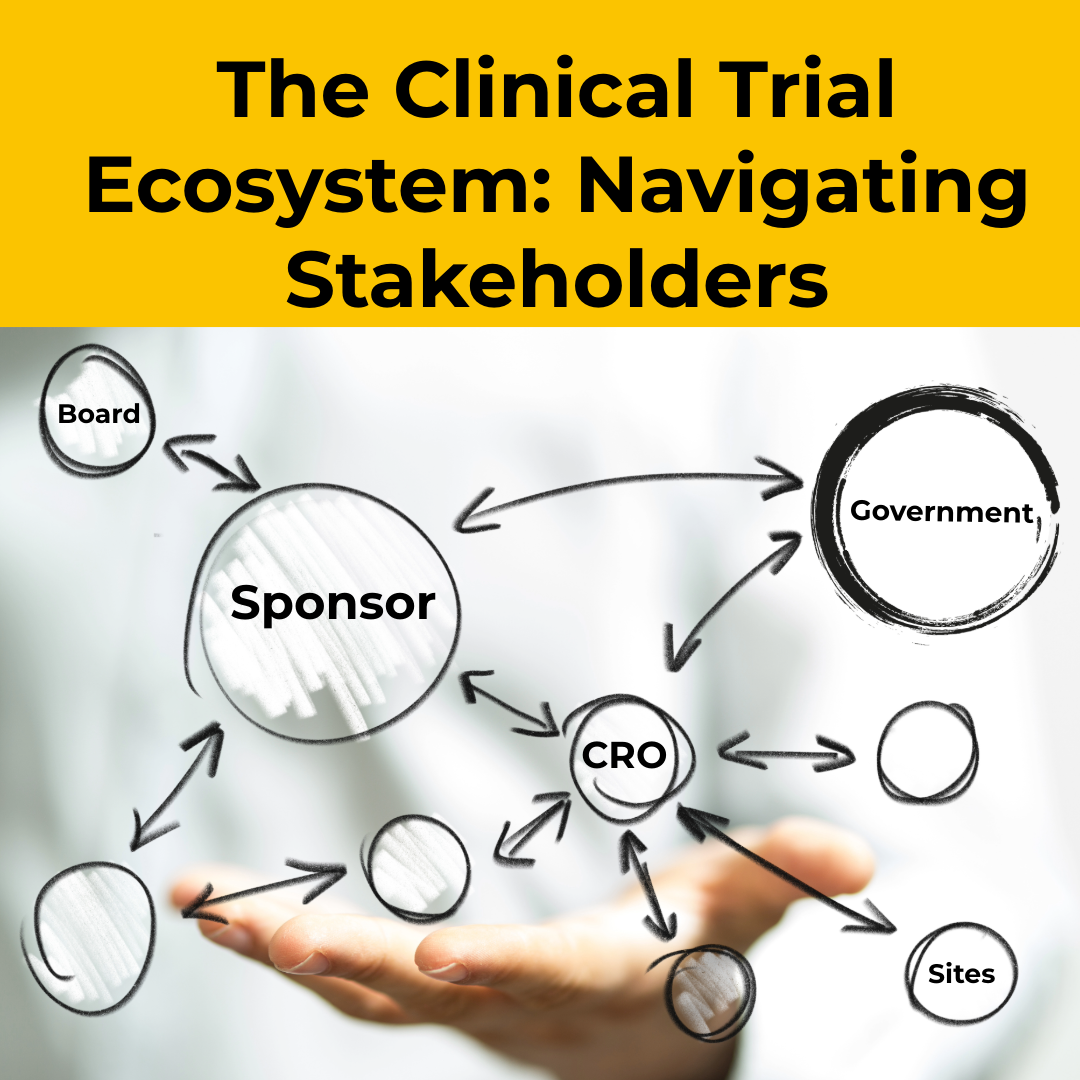
As the clinical operations team begins protocol development, the reality of multi-agency oversight becomes apparent. Government stakeholders often require extensive review cycles, where every department seeks to influence the study design. This can lead to significant friction; simple sections of the protocol may take months to finalize, causing established timelines to slip.
The paradox of government funding is that while it provides financial stability, it can simultaneously decelerate study completion. The ecosystem involves multiple layers of stakeholders—program directors, various vendors, and independent experts—all of whom have a management-level role and require their input to be integrated. Decisions are rarely made by a single individual but rather through a consensus-driven process that necessitates careful navigation and constant stakeholder management.
The Strategic Solution: The Liaison Advantage
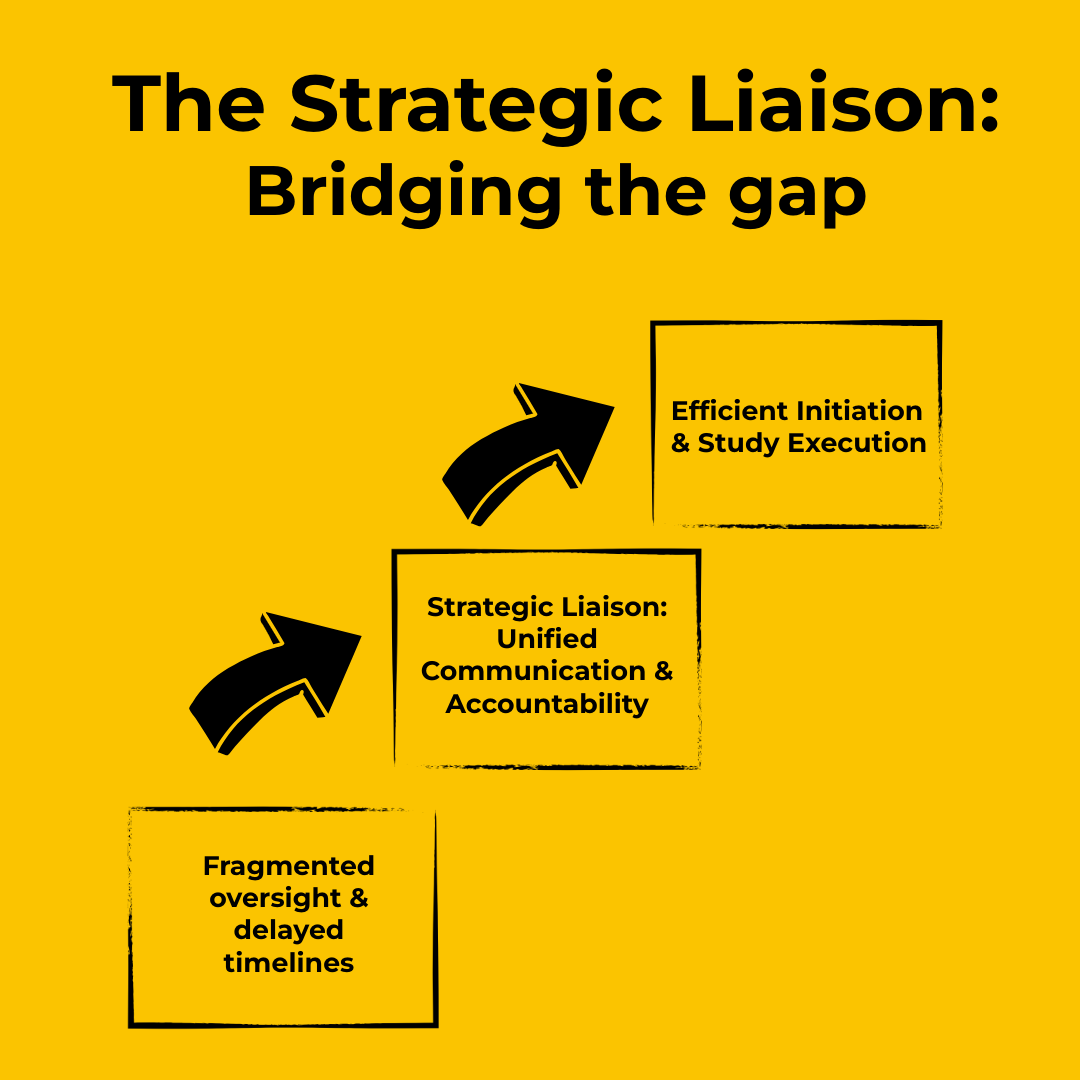
To overcome these bottlenecks, successful sponsors often appoint a dedicated strategic liaison. This individual acts as the primary bridge between the government agencies, their contractors, the sponsor company, and the clinical sites. By aligning these diverse groups toward a shared vision, the liaison ensures that tasks are completed within the expected milestones and that all parties are held accountable to their specific responsibilities.
This role is critical for overseeing the work of government contractors, facilitating constant communication, and resolving conflicts before they impact the critical path. The result is a study that moves from a state of gridlock to efficient initiation and execution.
Strategic Value: Beyond the Study
Effective management of these complex relationships delivers value far beyond the immediate trial results. Professionalizing the interaction with government entities enhances the company's reputation with the Board and external stakeholders. Furthermore, it strengthens relationships with clinical sites and potential vendors, increasing the company's visibility and the perceived value of its product pipeline.
The feedback loop established during this process—gathering insights from patients, investigators, and experts—is invaluable. These insights can be funneled back into manufacturing and R&D to refine current investigational products or inform the development of future generations of therapies.
Key Takeaways
Leverage Non-Dilutive Capital: Government funding is a powerful tool to preserve runway and investor equity.
Invest in Specialized Management: A dedicated liaison is essential to manage the increased workload and complex stakeholder interactions inherent in government-funded trials.
Prioritize Alignment and Communication: Establish clear expectations and milestones early to align the diverse timelines of the Board, government agencies, and clinical sites.