
Inside No Resistance: Expanding Access to FDA-Ready POC/OTC Clinical Trials
No Resistance Consulting Group (NRCG) is a leading Site Management Organization (SMO) specializing in in-vitro diagnostic (IVD) clinical trials for Point-of-Care (POC) and over-the-counter (OTC) rapid diagnostic tests. Through a network of independently owned outpatient clinics—including urgent care, primary care, specialty care, and sexual health clinics—NRCG helps Sponsors conduct FDA-ready research where patients already receive care.
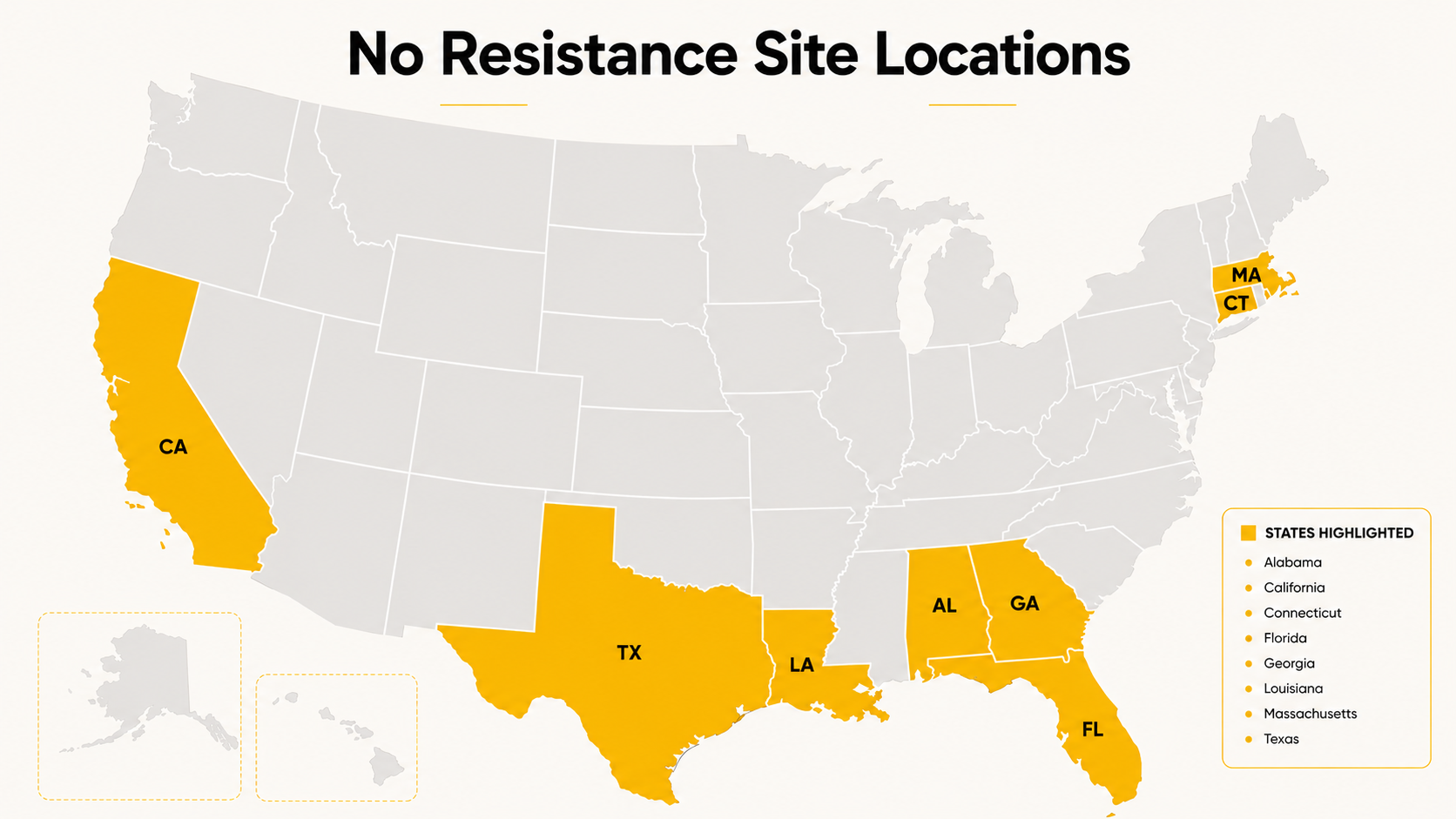
With sites across Alabama, California, Connecticut, Florida, Georgia, Louisiana, Massachusetts, and Texas, NRCG provides Sponsors with broad geographic reach while improving access to underrepresented patient populations. As decentralized and hybrid clinical trial models continue to evolve, NRCG’s community-based approach aligns closely with recent FDA guidance encouraging more accessible and patient-centric research models.
In this interview, we spoke with the founder of No Resistance Consulting Group about transitioning from emergency medicine into clinical research, scaling a high-performing SMO, and the operational strategies behind successful decentralized clinical trials.
Our business model places experienced Clinical Research Coordinators (CRCs) employed by NRCG at our partner sites. These CRCs focus exclusively on recruiting and enrolling subjects for clinical trials. We collaborate closely with our partners’ medical and operational leadership to integrate research activities into their clinics without disrupting normal workflows or key performance metrics. This approach enables partner clinics to maintain their focus on patient care while benefiting financially and professionally from participation in research.
NRCG is committed to Good Clinical Practice, the highest ethical standards, patient privacy, and the delivery of clean data, with industry-leading enrollment rates. This unwavering focus—combined with our responsive, collaborative approach—has earned repeat partnerships from every Sponsor and enabled us to enroll over 30,000 subjects in IVD trials since the onset of the COVID-19 pandemic.
-
I began my career as a board‑certified emergency medicine physician and was initially far more drawn to hands-on patient care than research. The fast‑paced, high‑acuity environment of emergency medicine was what energized me at the time, while research held very little appeal.
As my career progressed, however, I developed a growing interest in the administrative and operational side of medicine. I became the Medical Director of a busy emergency department and served on the hospital’s Medical Executive Committee. After more than a decade practicing emergency medicine, I experienced clinical burnout and ultimately transitioned into a leadership role as Chief Medical Officer of American Family Care, which at the time operated 20 urgent care clinics in the Birmingham, Alabama market.
During my five‑year tenure, I played an active role in the company’s growth from 20 to more than 180 clinics nationwide. Throughout that period, I developed a strong professional interest in antibiotic resistance, stewardship, and the role rapid point‑of‑care diagnostic testing could play in reducing inappropriate antibiotic prescribing.
That focus ultimately led to me to become a principal investigator for multiple rapid in‑vitro diagnostic testing device trials and inspired the name of my company, No Resistance.
-
I believe the foundation of any successful business is recognizing a real need in the marketplace and having the confidence to consistently meet it.
After leaving American Family Care prior to the COVID‑19 pandemic, I recognized the growing demand for rapid point‑of‑care diagnostics and the industry’s shift toward decentralized clinical trials. From my experience in urgent care, I also saw a major gap despite the heavy use of point‑of‑care testing, urgent care centers rarely participated in clinical research.
I started small, proving the model with a single trial at a single site. At that point, it was just me. I served as both principal investigator and research coordinator, handling everything from patient screening and consent to data entry and specimen shipment.
Learning the process from the ground up allowed me to scale with confidence, eventually growing from one site to more than 30 sites across eight states.
Along the way, I learned the importance of asking for help, investing in hands‑on training, setting clear expectations, and, as one of my mentors always said, “Inspect what you expect.”
Above all, I believe strong leadership in clinical research must always be grounded in integrity and ethics, especially when human subjects are involved.
-
A strong Sponsor–site relationship starts with alignment, transparency, and disciplined execution.
First, I strongly believe in under‑promising and over‑delivering. That means truly understanding your sites, including their historical performance data, patient flow, staffing models, and operational limitations, and being honest about what they can realistically achieve. It never benefits a Sponsor, CRO, or site to push a study into an environment where the data suggests it is unlikely to succeed.
Second, it is important to remember that Sponsors, CROs, and sites ultimately share the same goal: executing a high‑quality study on time, with clean data and strong compliance. That shared objective should drive open communication and mutual respect.
From a site perspective, that also means never being afraid to ask questions. I tell my team all the time,”We are not in the guessing business.” Early clarification prevents downstream deviations, unnecessary rework, and frustration for both study staff and monitors.
Finally, prompt and proactive communication is critical. Timely responses to queries, clear escalation when issues arise, and consistent follow‑through build trust with monitors and Sponsors alike. When expectations are clearly defined, performance is regularly reviewed, and communication remains open, the relationship becomes collaborative rather than transactional—and studies run far more efficiently as a result.
-
First, start simple and learn the process end‑to‑end.
Do not try to scale too quickly or jump into highly complex trials on day one. Prove that you can execute one study at one site with quality and consistency. Understanding the fundamentals, including consent, documentation, data entry, protocol adherence, and regulatory expectations, is critical before expanding. That foundation ultimately determines whether you can grow successfully.
Second, operational discipline and timeliness matter just as much as clinical expertise.
Many practitioners underestimate the operational demands of clinical research. Sponsors and CROs value sites that respond quickly, meet deadlines, and communicate proactively. Being slow or disorganized early in the process is one of the fastest ways to lose Sponsor confidence and future opportunities. Clinical research rewards reliability and consistency just as much as enrollment numbers.
Third, never compromise on ethics, quality, or training.
Clinical research involves human subjects, and that responsibility must remain front and center. A strong understanding of Good Clinical Practice, rigorous training, and a culture of integrity are non‑negotiable. High‑quality data and patient safety are what sustain long‑term Sponsor relationships.
-
We focus heavily on community-based recruitment strategies and operational accessibility.
Many of our site partners operate multiple clinics within a 15-30 minute drive of the clinic we are conducting a study at, which allows us to leverage existing patient relationships and referral pathways. We utilize IRB-approved outreach materials and consistently engage clinic staff to identify and refer potential participants to our site. We also encourage participants who have enrolled to tell their friends and family about the study opportunities.
-
When building a high‑performing clinical research team, I look for three things.
First is integrity. This is human subjects research, so ethics, accountability, and attention to detail are non‑negotiable.
Second is operational reliability. I look for people who communicate clearly, meet deadlines, and consistently follow through on commitments.
Third is hustle paired with curiosity. Clinical research rewards people who take initiative, ask thoughtful questions, and are willing to roll up their sleeves. You can teach the technical skills, but you cannot teach work ethic.
The best teams are built from people who care deeply about the work, move with urgency, and take ownership.
-
I believe the greatest improvements in site performance and patient access will come from innovations that meet patients where they already receive care.
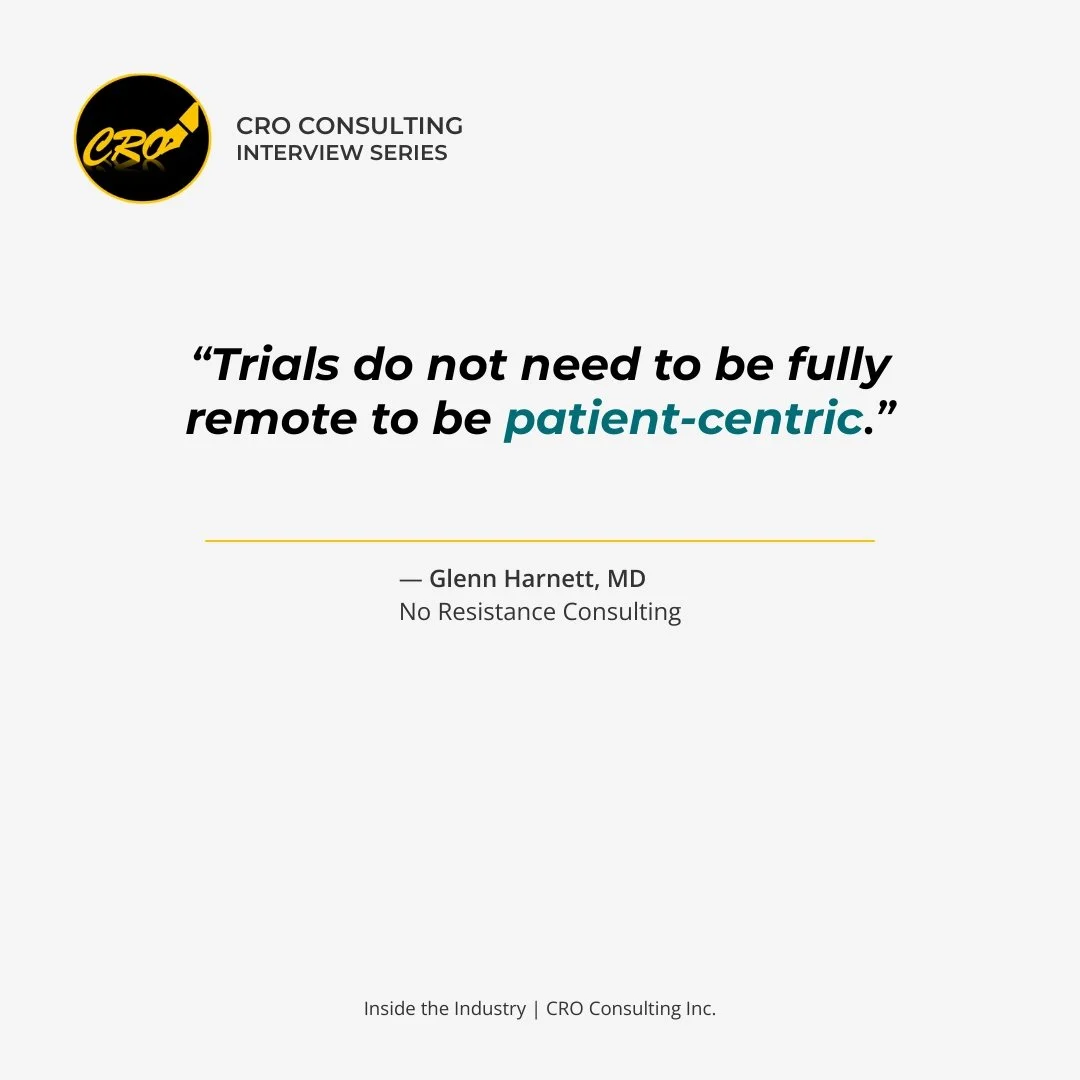
First, the continued expansion of decentralized and hybrid trial models, especially those anchored in community‑based clinics, will meaningfully improve access, diversity, and enrollment efficiency. Trials do not need to be fully remote to be patient‑centricThey need to be practical and accessible.
Second, point‑of‑care diagnostics and simplified trial designs will continue to play a major role. Faster, lower‑burden protocols reduce friction for both patients and sites, which directly improves enrollment, data quality, and retention.
Third, operational innovation matters just as much as technology. Embedded research staff, standardized workflows, and stronger integration between research operations and clinical flow allow sites to scale without disrupting patient care.
The future is not about replacing sites. It is about enabling sites to perform at a high level while expanding access to research for patients who have historically been underrepresented.
-
We stay agile by building operational discipline first.
Strong SOPs, rigorous training, and clear accountability allow us to adapt quickly as regulations, Sponsor expectations, and technologies evolve without compromising quality.
We also stay closely connected to our Sponsors and CRO partners so we can anticipate changes rather than simply react to them.
At the same time, we are practical about technology adoption. We focus on tools that genuinely improve workflows and data quality, rather than implementing technology for technology’s sake.
Agility ultimately comes from having a well‑trained team, clear processes, and a culture centered on continuous improvement, patient safety, and integrity.
-
One thing I would add is how much I genuinely enjoy this work.
I love building and running a business, and deeply value the mission behind No Resistance. We may not be curing cancer—and I’m very clear‑eyed about that—but we are conducting meaningful research that has the potential to affect hundreds of millions of people by improving how diseases are diagnosed and how care is delivered. That matters to me, and it matters to our entire team.
What has surprised me most is that early in my medical career, I never would have imagined myself saying this, but research is genuinely fun. It is intellectually challenging, operationally complex, and deeply rewarding.
Being able to combine medicine, entrepreneurship, and meaningful impact at scale has been far more fulfilling than I ever expected, and I’m proud of what our team continues to build together.
-
If I could give my younger self one piece of advice, it would be to trust the journey, including both the successes and the failures.
I have experienced plenty of both, and each one shaped me in important ways. Honestly, I wouldn’t change anything. The missteps taught me resilience, humility, and perspective, while the wins reinforced the value of hard work and perseverance.
If anything, I would say, “believe in yourself —and always be kind”. Those two things matter more than you realize, both in business and in life.
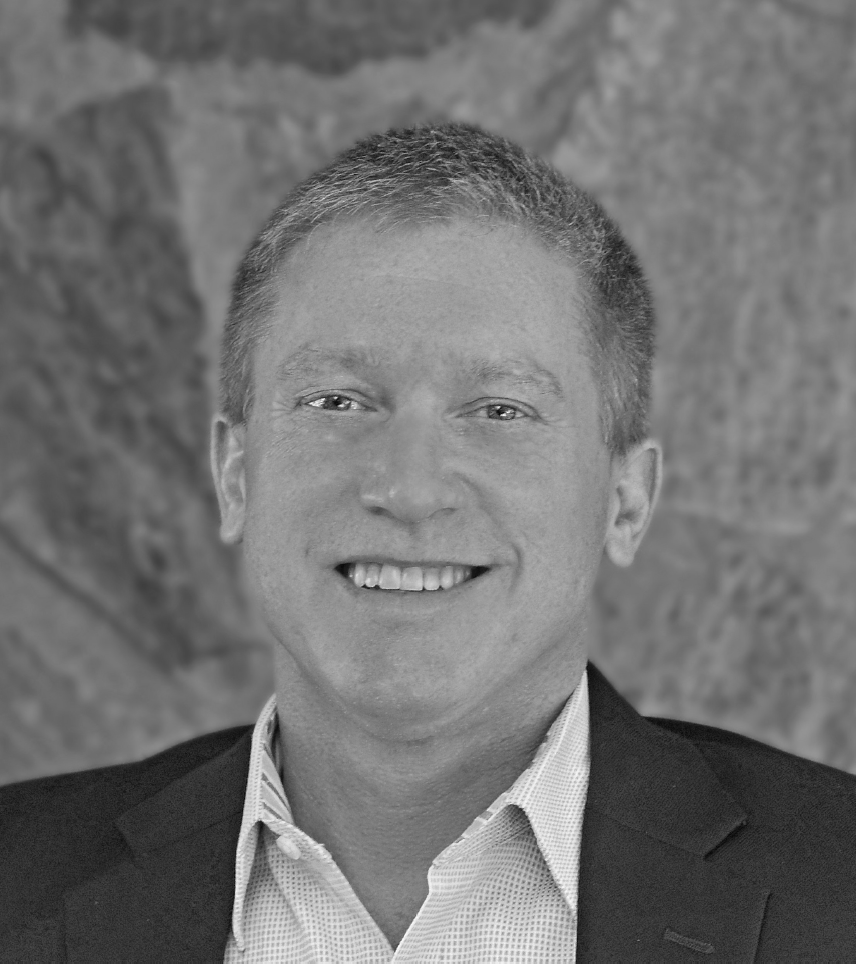
Founder/CEO
No Resistance Consulting Group
205-332-5751
glenn@no-resistance.com
